Top 10 Highest Paying Nursing Specialties in Bahrain
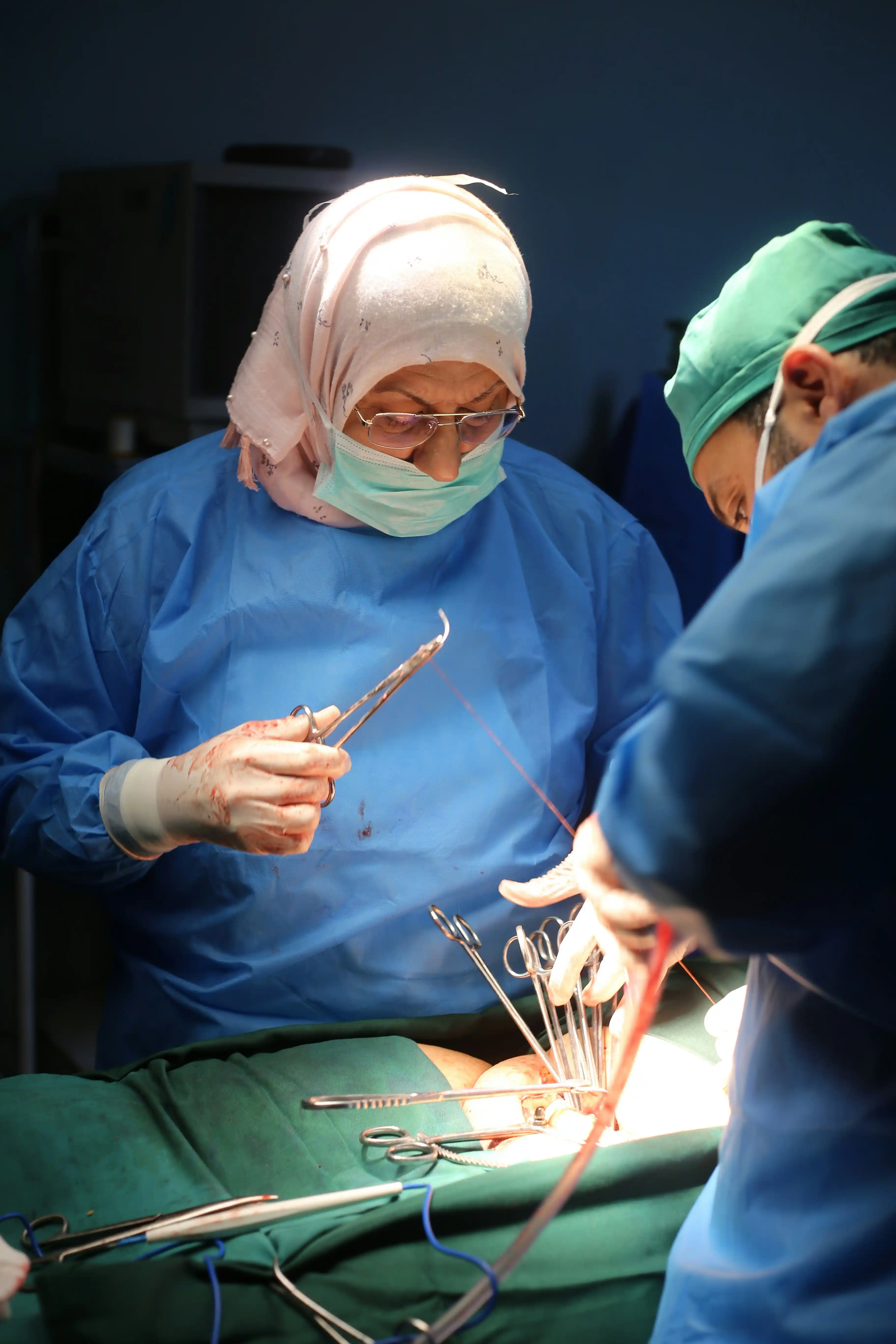
In Bahrain, nurse salaries are not driven by years of experience alone. The highest salaries are concentrated in specialties that combine clinical complexity, shortage of qualified staff, and direct impact on patient outcomes.
A general nurse may remain within the BHD 300–700 range, while specialized nurses—especially in critical care—can exceed BHD 1,000+ monthly depending on experience and role.
Highest Paying Nursing Specialties in Bahrain (2026)
Data reflects aggregated salary benchmarks and market ranges across Bahrain healthcare roles.
1. Operating Room (OR) Nurse
OR nurses consistently rank among the highest-paid staff nurses in Bahrain. The role involves direct participation in surgical procedures, instrument handling, and maintaining sterile environments.
The salary premium comes from technical precision and the inability to quickly replace experienced OR nurses. Hospitals prioritize candidates with real surgical exposure rather than general experience.
2. ICU / Critical Care Nurse
ICU nurses represent the top tier of high-demand roles. Salaries can reach BHD 1,080–1,320+ monthly on average, with higher ceilings for experienced profiles.
The role requires ventilator management, critical decision-making, and continuous monitoring of unstable patients. This combination of pressure and skill scarcity keeps salaries consistently high.
3. Emergency Room (ER) Nurse
ER nurses operate in fast-paced environments with unpredictable patient inflow. While salaries are slightly below ICU, demand is consistently strong.
The role pays well because of workload intensity, shift-based pressure, and the need for rapid clinical judgment.
4. Cardiac / Cath Lab Nurse
Cardiac nurses working in catheterization labs or cardiac units earn higher salaries due to specialized procedures such as angiography and cardiac monitoring.
Hospitals require direct cardiac experience, making this a high-barrier, high-reward specialty.
5. NICU Nurse
Neonatal ICU nurses work with critically ill newborns, requiring highly specialized skills and emotional resilience.
Although demand is slightly narrower than ICU, salaries remain strong due to the sensitivity and specialization of care.
6. Oncology Nurse
Oncology nurses handle cancer patients, chemotherapy protocols, and long-term treatment plans.
The specialty pays well due to its complexity and the need for continuous patient management, although hiring volume is lower compared to ICU or ER.
7. Dialysis Nurse
Dialysis nursing offers stable and consistent income. The role is in continuous demand due to the high number of chronic kidney disease patients.
While less acute than ICU, it remains one of the most reliable pathways to a higher salary compared to general nursing.
8. Nurse Practitioner / Advanced Practice Nurse
This is one of the highest-paying roles in Bahrain, often exceeding BHD 1,000–1,500+ monthly. These nurses function in extended clinical roles, sometimes bridging gaps between physicians and nursing teams.
However, opportunities are limited and require advanced degrees and licensing.
9. Nurse Educator / Clinical Instructor
Nurse educators earn high salaries due to their role in training and developing nursing staff.
These positions are less common but offer strong income potential, especially in larger hospitals and training institutions.
10. Infection Control Nurse
This specialty has gained importance due to hospital compliance requirements and patient safety standards.
Salaries are competitive because infection control directly impacts hospital accreditation and operational risk.
Read also: Nurse Salary in Bahrain by Specialty (2026 Guide)
Why These Specialties Pay More
Higher salaries in Bahrain are concentrated in specialties that combine three factors: clinical risk, technical skill, and hiring difficulty.
Critical care roles such as ICU and ER involve life-threatening cases, requiring immediate intervention and advanced monitoring. Surgical roles such as OR demand precision and specialized training. Meanwhile, advanced roles like nurse practitioners are limited in supply, increasing their value.
Salary Tiers Breakdown
Top Tier (Highest Paying):
OR Nurse, ICU Nurse, Nurse Practitioner
Mid-High Tier:
ER Nurse, Cardiac Nurse, NICU Nurse
Stable High Tier:
Dialysis, Oncology, Infection Control
The difference between tiers is primarily driven by urgency of care and replacement difficulty.
Entry Barriers: Why Most Nurses Don’t Access These Roles
High-paying specialties are not entry-level positions. Hospitals in Bahrain rarely hire nurses into these roles without direct, verifiable experience in the same unit.
Typical requirements include:
- 2–5 years of hands-on specialty experience
- NHRA licensing and DataFlow verification
- Certifications such as BLS and ACLS
- Unit-specific exposure (e.g., ventilators, surgical assistance)
Without this alignment, candidates are placed in general roles regardless of total experience.
Market Reality in Bahrain (2026)
Bahrain’s healthcare system continues to recruit heavily in ICU, ER, and dialysis units due to operational demand.
Private hospitals tend to offer higher salaries for specialized nurses, while public hospitals provide more structured career progression.
Fastest Path to a High-Paying Specialty
The most realistic path follows a structured progression:
Start in a general ward → move into ICU or ER → gain certifications → transition into higher-paying specialized roles.
Direct entry into top-paying specialties without prior experience is rare.
Common Mistakes Nurses Make
Many nurses target high-paying roles without matching their clinical background. Hospitals prioritize relevance over total years of experience.
Another common mistake is focusing only on salary while ignoring benefits such as housing and transport, which significantly affect total income in Bahrain.
Conclusion
The highest-paying nursing specialties in Bahrain are concentrated in critical care, surgical, and advanced practice roles.
Income growth depends on specialization, not time. Nurses who align their experience with ICU, ER, or OR environments position themselves for the strongest financial outcomes in the Bahraini healthcare market.