Nurse Salary by Specialty in Kuwait
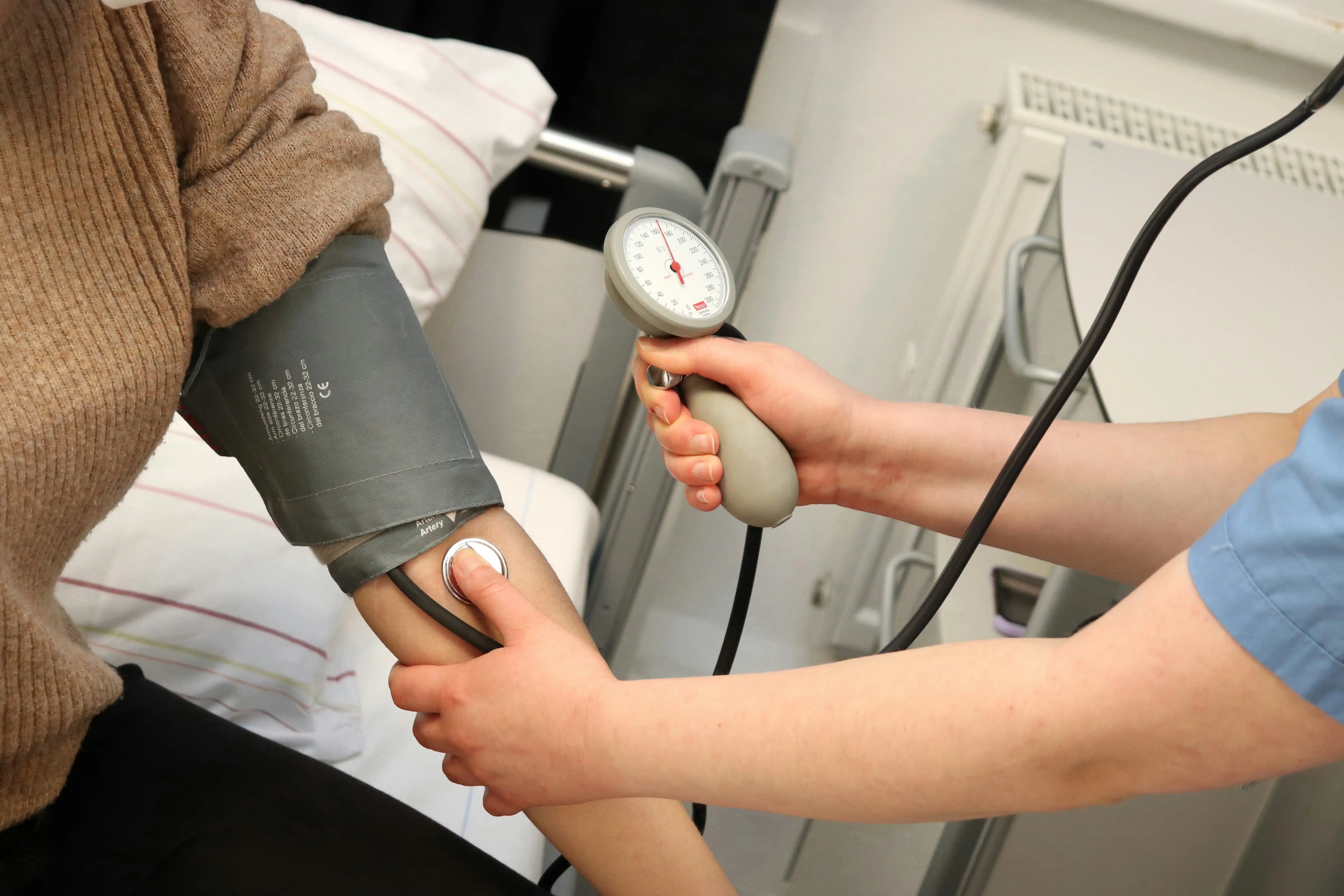
Overview of Specialty Nurse Compensation
Definition of Specialty
In Kuwait, a specialty nurse is typically defined as a professional assigned to a specific high-acuity unit such as the ICU, Operating Room, or Pediatrics. These roles often require specific post-graduate certifications or a minimum number of years in that department.
Base vs. Total Pay
Pay structures generally include a basic monthly salary plus specific allowances. These allowances cover housing, transport, and specialty-specific risks or duties.
Grading System
The Ministry of Health (MOH) and many large private hospitals use a grading system (e.g., Grade A, B) to determine pay bands. A nurse's grade dictates their base salary, while their specialty dictates the additional risk or technical allowances added on top.
General Salary Ranges by Experience and Sector
Note: These figures represent total earnings, including basic pay and standard allowances.
Salary by nursing specialty
Critical Care (ICU / CCU / NICU / PICU)
Typical range: 500 – 900 KWD
Critical care nurses often earn above general ward staff due to:
- High-acuity patient management
- Ventilator and hemodynamic monitoring skills
- Specialty risk allowances
- Higher overtime authorization
PICU and NICU nurses frequently align with adult ICU pay levels.
Cardiac Nursing & Cath Lab
Typical range: 550 – 900 KWD
Cath Lab nurses benefit from:
- Technical/procedural allowances
- Regular on-call pay
- Emergency call-ins
On-call components alone may add 50–150 KWD monthly depending on frequency.
Operating Room (Theatre)
Typical range: 550 – 950 KWD
Higher compensation reflects:
- Scrub/circulating competencies
- Technical skill requirements
- Irregular schedules
- Surgical case intensity
Senior OR nurses and anesthesia-related roles trend higher.
Dialysis Nursing
Typical range: 450 – 750 KWD
Dialysis nurses typically receive:
- Machine and vascular access skill premiums
- Stable shifts in clinics
- Higher earnings in hospitals via overtime/nights
Clinic roles offer predictable hours but often slightly lower pay.
Pediatric Nursing (Ward / NICU / PICU)
Typical range: 400 – 800 KWD
Pay variation reflects:
- Ward vs ICU placement
- Certification level
- Emotional and clinical demands
NICU/PICU roles approach critical care compensation bands.
General Ward / Outpatient
Typical range: 300 – 550 KWD
Lower ranges correlate with:
- Lower acuity
- Fewer specialty differentials
- Reduced overtime intensity
These roles often offer better schedule stability.
Read also: Average Registered Nurse Salary and Compensation in Kuwait
Key Factors Influencing Total Package Value
- Employer Type: * MOH: Stability and standardized increments.
- Private: Variable pay; open to negotiation.
- KOC (Oil Sector): Typically the highest rates in the country.
- Role Grade: Salaries are strictly tied to professional grades (e.g., Staff Nurse vs. Senior Staff Nurse).
- Department Demand: High-demand units (ICU/OT) offer more authorized overtime.
- Contracts & Nationality: Packages frequently differ based on recruitment contracts and nationality. International contracts often include housing, flights, and recruitment fees.
Education and Career Progression
Requirements
- BSN: The standard for higher-paying roles. Diploma holders may face a salary cap 100–200 KWD lower than degree holders.
- Certifications: Post-graduate certs in critical care or dialysis can lead to grade promotions.
- Grade Steps: Each step-up typically adds 20–50 KWD to the base salary.
Role Hierarchy
- Staff Nurse: Baseline specialty pay.
- Charge Nurse: Adds a responsibility allowance of 50–100 KWD.
- Nurse Manager: Significant jump to 1,000 KWD – 1,800 KWD.
Variable Income: Overtime and On-Call
Variable components are a large part of total income. For a nurse with a 500 KWD base:
- Night Shifts: 8 shifts can add 40–80 KWD.
- Cath Lab On-Call: Can add 150 KWD through emergency overtime and call-ins.
Comparison of Employer Sectors
Negotiation and Contract Risks
Negotiation Tips
- Benchmark: Research rates for your nationality and experience.
- Document Skills: List advanced skills (CRRT, ECMO) to justify higher scale placement.
- Check Allowances: A lower base might be acceptable if cash allowances are generous.
Contract Risks
- Salary Caps: Some private hospitals have rigid limits on increases.
- Discretionary Allowances: Management may remove allowances if budgets are cut.
Real-World Offer Comparisons
- Scenario A: Hospital X offers 600 KWD total. Hospital Y offers 500 KWD base + 150 KWD housing + 50 KWD critical care allowance.
- Outcome: Hospital Y is better (700 KWD total).
- Scenario B: Moving from a private dialysis clinic (550 KWD, no nights) to a government hospital.
- Outcome: Monthly income rises to 700 KWD via overtime/nights, trading balance for pay.
Frequently Asked Questions
What is the average ICU nurse salary in Kuwait?
Typically between 600 KWD and 850 KWD per month, depending on sector and experience.
How much do CCU and cardiac nurses typically earn?
Between 550 KWD and 900 KWD. Cath Lab roles are on the higher end due to on-call pay.
What is the typical dialysis nurse salary?
Between 450 KWD and 750 KWD. Hospital roles usually pay more than private clinics.
How much do pediatric nurses earn?
Generally 400 KWD to 700 KWD, with PICU/NICU specialists commanding the highest rates.
Which nursing specialty is usually highest paid?
Oil sector roles and highly specialized units like Cath Lab, OR, or ICU.